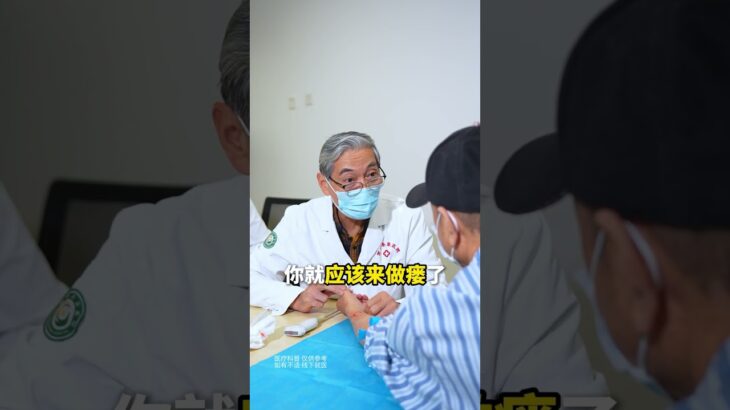
以一位糖尿病腎病變導致的末期腎臟病患者為例,討論其血液透析通路的建立時機與方案。患者已開始透析,目前使用聚酯套的隧道導管作為過渡。理想情況下應在肌酸酐清除率低於15%時提前建立自體動靜脈內瘻管,待其成熟後即可拔除導管,避免長期導管使用可能導致中心靜脈狹窄等併發症。建立內瘺的條件是靜脈直徑≥2.0mm、動脈≥1.5mm,且動脈流量大於50ml / min 。自體瘻管優於人工血管或長期導管,但需滿足血管條件,並儘早實施以降低風險。
A patient with end-stage renal disease caused by diabetic nephropathy as an example to discuss the timing and strategy for establishing hemodialysis access. The patient has recently started dialysis and is currently using a tunneled cuffed catheter as a temporary measure. It emphasizes that ideally, an autogenous arteriovenous fistula should be created when creatinine clearance falls below 15%, so that it can mature before dialysis is needed, avoiding long-term catheter use and potential complications such as central venous stenosis. Criteria for a successful fistula include venous diameter ≥2.0mm, arterial diameter ≥1.5mm, and brachial artery flow above 50ml/min. An autogenous fistula is preferred over synthetic grafts or long-term catheters, provided vascular conditions are suitable and the procedure is performed early to minimize risks.