The next layer of the ecosystem is NFTs.
Retium currently provides an NFT launchpad and marketplace as part of its public testnet environment. The official testnet roadmap lists NFT contract calls, minting, and NFT transfers as live functionality.
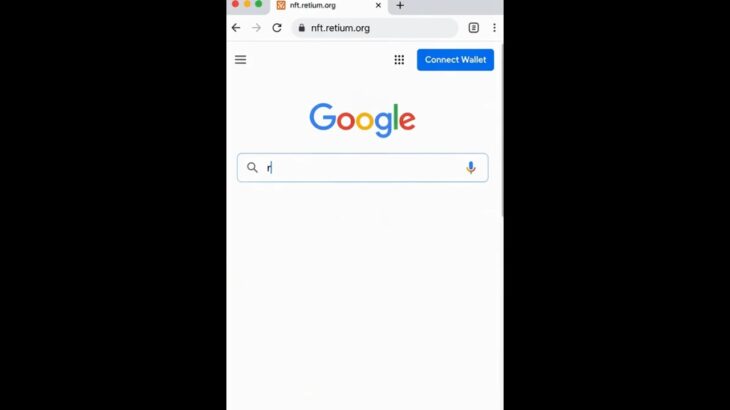
The Retium NFT marketplace displaying collections and NFTs available for purchase using RTM.
The interesting part is not simply that Retium has an NFT marketplace.
The more useful question is:
What does the marketplace allow users and creators to do?
Retium’s NFT launchpad allows a creator to configure a collection with parameters including:
collection name;
symbol;
maximum supply;
per-wallet mint limit;
mint price;
creator royalty;
cover image.
The creator then deploys the NFT contract to the Retium network.
This creates a straightforward workflow:
Create Collection → Deploy Contract → Mint → List → Buy → Transfer
The marketplace then provides the user-facing layer.
According to the official marketplace documentation, NFT purchases transfer the NFT to the buyer’s wallet while the seller receives the sale proceeds and the creator receives the applicable royalty.
The platform also publishes a detailed fee structure. For example, the current NFT documentation lists network gas separately from the platform fee, and creator royalties can be configured between 0% and 20% when a collection is created.
This level of detail is important because it shows that the NFT component is not merely a visual gallery.
It involves contracts, transactions, ownership, marketplace settlement, creator economics, and wallet integration.
The NFT marketplace therefore provides a practical example of how Retium’s underlying blockchain can be used as an application platform.